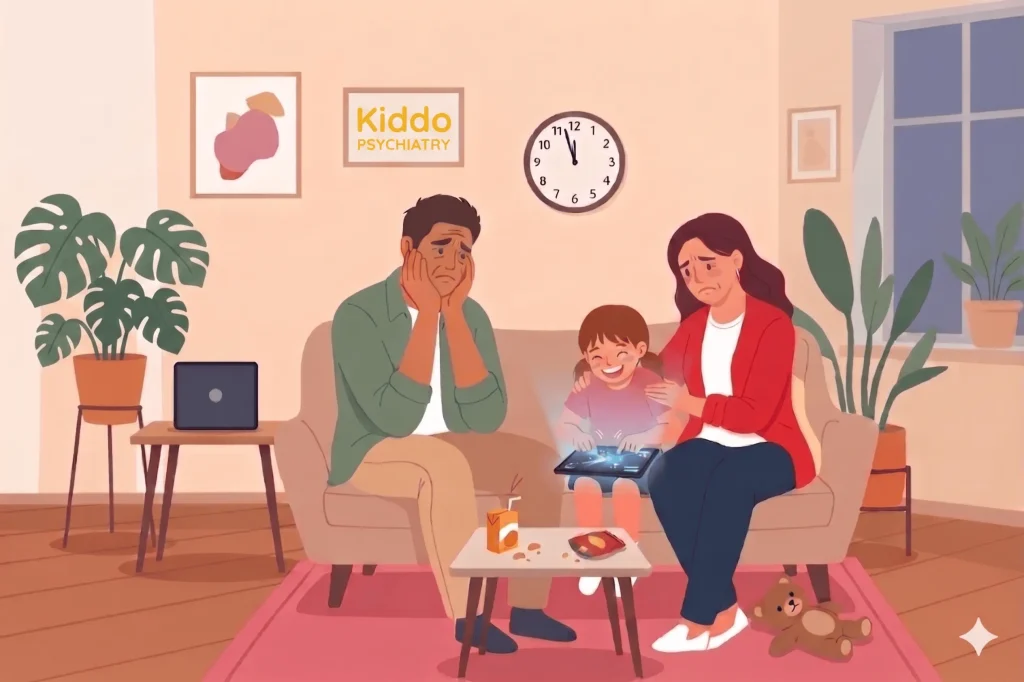
Screen time has become a regular part of life for most families.
Children today are growing up with constant access to phones, tablets, TVs, and computers.
While digital tools can offer learning opportunities and entertainment, they also raise important concerns about child development, learning, and mental health.
This article explains what recent research says about screen time and how parents can make better choices based on their child’s age and needs.
How Much Screen Time Are Children Getting?
Children and teens are spending more time on screens than ever before. Recent studies show:
- Teenagers average around 8 hours of screen time per day.
- Children aged 8 to 12 spend around 5.5 hours daily.
This includes not just phones but also gaming, streaming, and other screen-based activities.
With screen use becoming more common, it is important to understand how it affects children at different stages.
Official Recommendations for Screen Time
The American Academy of Pediatrics (AAP) provides the following guidelines:
- Under 18 months: Avoid screen time except for video calls with family.
- 18 to 24 months: If screens are used, choose high-quality content and watch with your child.
- Ages 2 to 5: Limit screen time to one hour a day. Focus on educational content and co-viewing.
- Ages 6 and older: Ensure screen use does not interfere with sleep, physical activity, or family time. Keep recreational screen time under two hours per day.
These recommendations are based on the understanding that children learn best through hands-on play and real-life interaction, especially in their early years.
Impact on Early Brain Development
One of the most important findings from recent research is how screen time can affect a young child’s brain development and language skills.
Key findings include:
- Babies exposed to background television may develop language skills more slowly because parents tend to talk less when the TV is on.
- Children under age 2 have difficulty learning from screens. They learn better from live interaction.
- Toddlers who use screens for more than two hours a day are more likely to have language delays. This risk increases if screen use begins before 12 months of age.
Children under three need active engagement, such as talking, playing, and exploring. Passive screen use cannot replace those experiences.
Are There Any Benefits?
Screen time is not always harmful. When used correctly, it can support learning in certain age groups.
For example:
- High-quality educational content like “Sesame Street” has been shown to improve school readiness, especially when parents watch with their children and discuss the content.
- In homes where books or learning materials are limited, educational apps and videos can offer helpful exposure to vocabulary and numbers.
Tablet-based learning tools may also be more interactive and beneficial than television, especially when children are guided by an adult.
The key factors are content quality and parental involvement.
Mental Health and Emotional Effects in Older Children
For older children and teens, screen time often includes social media, gaming, and online video content. These types of screen use carry different risks.
Research shows:
- Teens who use screens for more than four hours daily are more likely to report symptoms of depression and anxiety.
- High screen use has been linked to sleep problems, poor academic performance, and behavioral issues such as irritability and aggression.
- Brain scans of children with excessive screen time showed changes in brain regions involved in emotion regulation and decision-making.
These effects may last beyond childhood and affect long-term well-being.
When Is Screen Time a Problem?
Screen time becomes a concern when it starts to replace other essential activities. Warning signs include:
- Poor sleep habits
- Reduced interest in physical activity
- Difficulty focusing or managing emotions
- Withdrawal from family or friends
- Refusal to stop screen use or irritability when devices are removed
Monitoring both the amount and the purpose of screen use is important.
Practical Guidelines for Parents
Instead of banning screens entirely, parents can set healthy boundaries. Here are some suggestions:
- Watch together: For younger children, co-viewing helps them understand what they see and connect it to the real world.
- Create a family media plan: Set clear rules about when, where, and how screens are used. Include homework time, meals, bedtime, and weekends.
- Limit screens in bedrooms: Keep devices out of bedrooms to protect sleep. Use nighttime settings or schedule device-free periods.
- Focus on balance: Make sure children have enough time for sleep, physical activity, reading, and in-person interaction.
- Set a good example: Children follow the habits they see. Limit your own screen time and spend more time engaging with your child directly.
Conclusion
Screen time is now a part of modern childhood, but its effects depend on how, when, and why it is used.
Young children need real-world interaction for healthy development.
Older children and teens need support in managing digital habits to protect their mental and emotional health.
Parents can play a key role by setting clear limits, choosing quality content, and staying actively involved in their child’s digital life.