As a parent, you want the best for your child, and that includes understanding how to support their emotional and cognitive development. One condition that can often leave parents feeling overwhelmed and uncertain is Attention-Deficit/Hyperactivity Disorder (ADHD). ADHD is a neurodevelopmental disorder that affects a child’s ability to focus, control impulses, and regulate their activity levels. If you’re a parent who suspects your child might have ADHD, or if you’ve already received an ADHD diagnosis, you may be wondering how to help your child with ADHD.
In this blog post, we’ll dive into what the symptoms of ADHD in children are, how it manifests in kids, and, most importantly, how to support children with ADHD at home. Understanding ADHD symptoms can help you build a path forward with more confidence and clarity.
What is ADHD?
ADHD (Attention-Deficit/Hyperactivity Disorder) is a condition that impacts how children think, act, and process information. The main symptoms include:
● Inattention: Trouble focusing on tasks, losing things often, forgetting instructions, and easily getting distracted. Children with inattention ADHD symptoms may struggle with completing homework or staying focused on activities.
● Hyperactivity: Constantly moving, fidgeting, or having difficulty staying seated, even when it’s required (like during class). Hyperactivity is one of the core traits of ADHD in kids.
● Impulsivity: Acting before thinking, interrupting others, and having trouble waiting for turns. Impulsivity in children can often cause behavioral issues at home or in school.
These symptoms can significantly interfere with daily life, especially in school and social settings. But with the right approach, children with ADHD can learn to manage their symptoms and thrive.
Recognizing the Signs of ADHD in Kids
What are the symptoms of ADHD in children? ADHD symptoms in children don’t look the same in every child, and the symptoms can vary widely. Some kids may be more hyperactive, while others may be more inattentive. Here are some common signs to look out for:
● Difficulty staying focused: If your child finds it hard to finish homework, follow through on tasks, or stay focused during meals or conversations, it could be a sign of inattention.
● Constant movement: Does your child seem to have endless energy? They may constantly be on the go, unable to sit still for any length of time. This can be a clear sign of hyperactivity in children with ADHD.
● Impulsive behavior: Impulsivity can show up as interrupting others, making decisions without thinking, or having trouble waiting for their turn. Impulsive behaviors often lead to conflicts in social situations or in class.
● Forgetfulness: Losing items, forgetting assignments, or leaving tasks unfinished are common issues for children with ADHD.
It’s important to remember that all kids can exhibit these behaviors occasionally. However, children with ADHD display them consistently and in multiple settings (home, school, social events) over a prolonged period of time.
How ADHD is Diagnosed
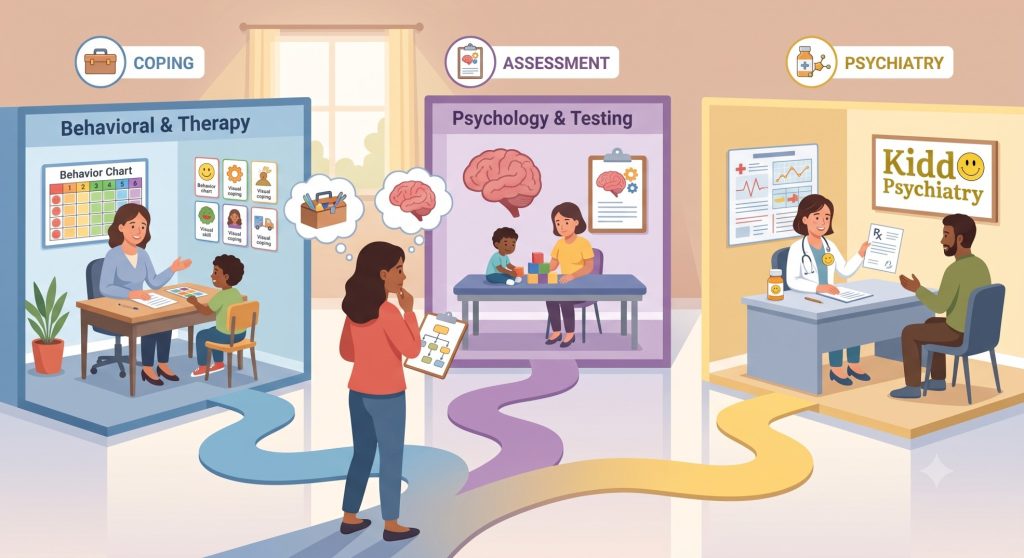
If you think your child may have ADHD, it’s important to seek help from a pediatrician or child psychiatrist. How to diagnose ADHD in children involves:
1. Gathering information: A doctor will ask you and your child’s teachers about their behavior. Teachers often fill out questionnaires to help provide a clearer picture of your child’s attention and behavior at school.
2. Behavioral evaluations: Psychologists or psychiatrists may use behavior rating scales or diagnostic tests to assess your child’s ADHD symptoms.
3. Ruling out other conditions: Since ADHD shares symptoms with other disorders like anxiety, learning disabilities, or even sleep problems, a comprehensive evaluation is necessary to rule out other potential causes of inattention and hyperactivity.
How a Child Psychiatrist Can Help with ADHD
A child psychiatrist plays a vital role in helping children with ADHD by providing a comprehensive approach to diagnosis and treatment. Here’s how a child psychiatrist can be a critical part of the process:
1. Accurate Diagnosis: Diagnosing ADHD requires a thorough evaluation of your child’s behavior, emotional well-being, and developmental history. A child psychiatrist will perform a comprehensive assessment, considering all factors that could contribute to your child’s symptoms. They will gather information from various sources, including parents, teachers, and other caregivers, ensuring a well-rounded perspective before confirming an ADHD diagnosis.
2. Developing a Personalized Treatment Plan: Once diagnosed, a child psychiatrist will work with you to develop a treatment plan tailored to your child’s specific needs. This plan may include a combination of medication, behavioral therapy, and strategies for improving academic performance. A personalized approach helps ensure the treatment addresses your child’s unique symptoms and challenges.
3. Medication Management: If medication is part of your child’s treatment plan, a child psychiatrist will be the expert in selecting the appropriate medication, monitoring progress, and adjusting dosages as needed. This careful management of ADHD medication ensures your child experiences the benefits with minimal side effects.
4. Behavioral Strategies and Therapy: Child psychiatrists often recommend Cognitive Behavioral Therapy (CBT) or other forms of therapy to help children develop coping strategies for managing impulsivity, focus, and emotions. A child psychiatrist can guide you in implementing these therapies effectively at home, helping both you and your child build stronger coping mechanisms.
5. Ongoing Support and Monitoring: ADHD is a lifelong condition, and ongoing support is essential. A child psychiatrist will help monitor your child’s progress, track the effectiveness of treatments, and make adjustments as needed. This continuous support ensures that your child’s treatment evolves along with their development.
6. Family Guidance: ADHD affects the entire family, and child psychiatrists often provide guidance on how family dynamics and parenting techniques can be adapted to best support a child with ADHD. They offer practical advice on how to create structured routines, reinforce positive behavior, and reduce family stress.
Treatment Options for ADHD
While there’s no cure for ADHD, there are several effective treatment options for ADHD in children that can help manage symptoms and give your child the support they need to succeed. Here’s a breakdown of the most common approaches:
1. Medication for ADHD: Stimulant medications like Ritalin and Adderall are frequently prescribed to help children with ADHD stay focused and reduce hyperactive behaviors.
Non-stimulant medications such as Strattera are also available and may be
considered if stimulants aren’t effective.
2. Behavioral Therapy for ADHD: Cognitive Behavioral Therapy (CBT) can be extremely helpful for children with ADHD. CBT teaches kids how to manage their emotions, control impulsivity, and develop better problem-solving skills. Parents may also participate in therapy sessions to learn how to reinforce positive behaviors at home.
3. Parent Training for ADHD: Parenting a child with ADHD can be challenging, and parent training programs offer valuable tools for managing your child’s behavior. These programs teach parents strategies to help with things like structure, discipline, and reinforcing good habits.
4. School Support for ADHD: Children with ADHD often benefit from special accommodations at school. This can include extra time on tests, breaks during long periods of sitting, or preferential seating. Having an Individualized Education Plan (IEP) or a 504 Plan can ensure your child receives the support they need to succeed in the classroom.
Tips for Parents to Support Their Child with ADHD
Managing ADHD at home requires patience, flexibility, and a proactive approach. Here are some tips for parenting a child with ADHD that can make a big difference in managing ADHD at home:
- Establish a Routine: Kids with ADHD thrive in structured environments. Try to keep a consistent daily schedule, including regular times for meals, homework, chores, and sleep.
- Break Tasks into Smaller Steps: Large tasks can be overwhelming. Break them into smaller, manageable chunks to help your child feel more in control.
- Use Positive Reinforcement: Praise your child for staying on task, following through, or completing chores. Rewards and praise can motivate them to continue making progress.
- Limit Distractions: Create a quiet, organized space for homework or other activities that require focus. Limiting distractions helps children with ADHD concentrate better.
- Be Patient: Remember, ADHD is not a reflection of your child’s intelligence or effort. It’s simply a challenge they need help navigating. Celebrate small victories along the way and show your child lots of love and encouragement.
Final Thoughts
Raising a child with ADHD comes with its challenges, but it also offers a chance to watch them grow, adapt, and succeed in their unique ways. With the right support, children with ADHD can develop the skills they need to thrive both academically and socially.
If you suspect your child has ADHD, or if you’ve already received an ADHD diagnosis, know that you don’t have to navigate this journey alone. A child psychiatrist can play a crucial role in helping you understand your child’s condition and guiding you through the treatment process. With proper treatment and support, your child can reach their full potential. If you have any questions or need assistance, please reach out to us. We’re here to help both you and your child through this process.
Feel free to learn more about ADHD treatment options, ADHD in children, and how to support your child with ADHD by exploring more of our blog posts or contacting us for personalized advice.