It’s completely normal to feel a bit nervous before a presentation, walking into a room of strangers or speaking in front of a large group. But what if that mild nervousness turns into a paralyzing, suffocating fear of being judged, criticized, or rejected?
When a child, teenager or adult has a persistent fear of social situations, it’s not just everyday shyness. It is a real and overwhelming mental health issue.
If you or someone you care about is always hiding away from the world, avoiding intense scrutiny, you’ve probably spent nights wondering how to solve social anxiety without feeling completely overwhelmed. At Kiddo Psychiatry, we understand that for you to regain your confidence and freedom, you have to learn what is causing this deep rooted fear.
What is Social Anxiety Disorder? Defining the Dread
To properly deal with this condition, we need to first answer a basic question: what does social anxiety mean in everyday life?
The clinical social anxiety disorder definition is an intense, persistent fear of being watched and judged by others. This condition, which goes by many social anxiety synonyms including interpersonal phobia and intense performance anxiety, turns everyday interactions into a high-stakes test of survival.
The brain of a person with a social phobia disorder perceives social assessment as a direct physical threat. It can set off the body’s fight-or-flight response to things as mundane as ordering food at a restaurant or answering a question out loud. Also under the umbrella of what is social phobia anxiety, is this condition. This is a specific social phobia anxiety disorder that can keep a person trapped within their own comfort zone.
Real Life Effects of Spotting the Red Flags: Social Anxiety Symptoms
Social anxiety is not just a bad mood like normal. It presents itself with a unique combination of physical, emotional and behavioural changes.
If you are trying to navigate dealing with social anxiety, look for these common social anxiety symptoms:
- Physical Symptoms: Excessive sweating, flushing, racing heart, trembling, or feeling ill when a social event is coming up.
- Rigid Behavioral Avoidance: Avoiding crowds at all costs, refusing to participate in group activities, or avoiding eye contact.
- Strong Negative Expectation: Anxiety over a social function weeks before it happens.
Social Anxiety Examples in Daily Life:
- The phone rings and the person’s frozen up, it’s so terrifying to pick up.
- A student who chooses to skip lunch altogether because the idea of eating in front of classmates in a cafeteria is too scary.
- Deep fear of accidental contact, avoiding any use of public bathrooms.
The Crossover: Social Anxiety and Depression
It can be very lonely to live with chronic, untreated social phobias. Over time, constant avoidance can lead to a severe feeling of loneliness, often causing an overlap of social anxiety and depression.
When diagnosing a patient, a specialist will consider whether an individual is suffering from social anxiety or depression or whether both are feeding into each other at the same time.
Social Anxiety in School: The Classroom Struggle
School is the ultimate social testing ground, which is why social anxiety in school can quickly derail a child’s academic future.
For parents and teachers, early recognition of a social phobia can prevent a child from falling behind. When a youth is struggling with social phobia in teens, it’s not just defiance or stubbornness when they refuse to give a presentation. It’s deep, biological panic.
When a teen with social phobia misses a school dance, they are not being obstinate. Their nervous system is literally responding to that crowd as if it were a physical threat.
If you are a caregiver who is trying to navigate these rough waters, learning how to help a teenager with social anxiety is key. Validate their emotional reality first, don’t dump them into hyper-stressful situations. To know how to help someone with social anxiety, you need patience, gentle encouragement and commitment to teach active, manageable lifestyle changes.
Action Plan: How to Work on Social Anxiety Every Day
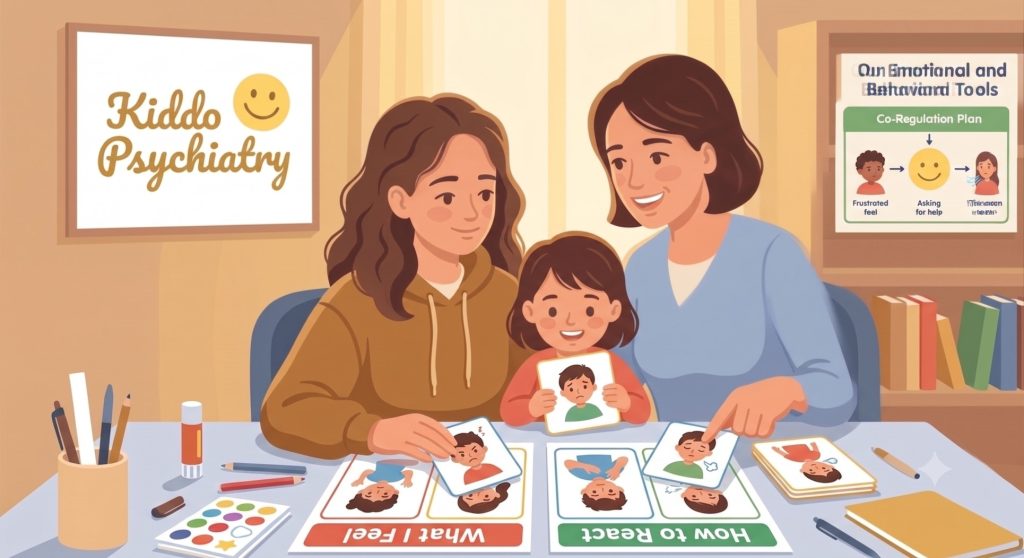
Learning how to handle social anxiety is a process you handle part by part. You can’t wish a phobia away overnight but you can learn practical social anxiety coping skills to retrain your brain’s threat-detection center.
If you are looking for quick ways on how to help with social anxiety at home, try these research-backed techniques:
- Practice “Micro-Exposures”: Don’t attempt to tackle a huge party right away. Start with small things: look at the cashier, say “thank you”. Get more comfortable and slowly make the interaction more complex while managing social anxiety.
- Shift Your Focus Outward: Socially anxious people are very hyper-focused on their own physical symptoms (“Am I sweating? Am I weird looking?”). Instead, make a deliberate effort to pay attention to the actual conversation or the physical environment around you.
- Challenge Cognitive Distortions: When your brain says, “Everyone’s looking at you and judging you,” challenge it with reality. Most people are very occupied with their own lives and thoughts.
Clinical Interventions: A Broad View of Treatment of Social Anxiety
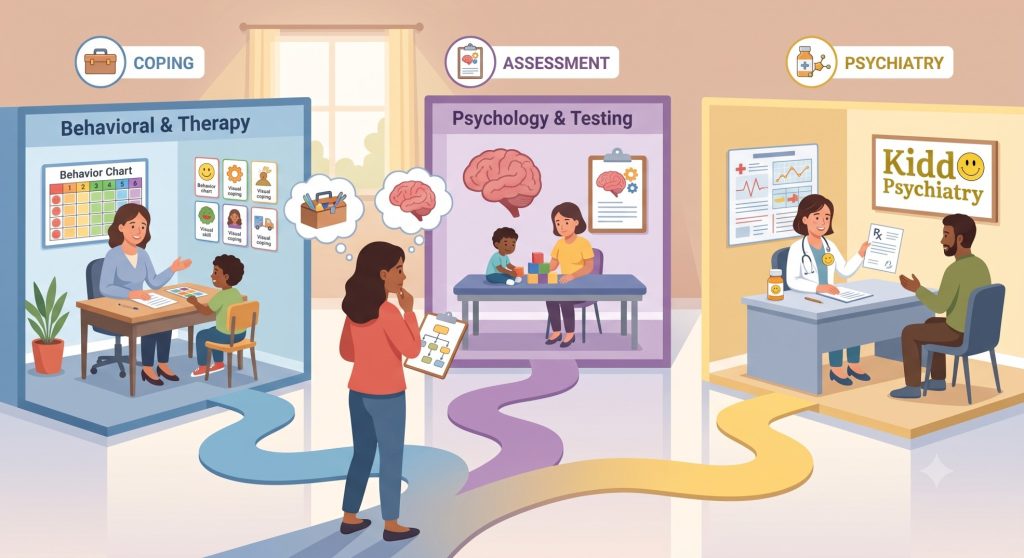
Daily coping tools are fantastic, but serious anxiety often needs professional medical treatment. Finding a specialized treatment of social anxiety can really change a person’s quality of life.
In current social fear treatment and anxiety social treatment, there is typically a mix of effective, clinical techniques:
1. Social Anxiety Therapy
Cognitive Behavioral Therapy (CBT) is considered the gold standard in the treatment of social phobia. A trained clinician delivers specialized social anxiety therapy by helping the individual identify negative thought patterns, break down avoidance behaviors, and practice safe, structured behavioral exposures.
2. Medication Management
For many people, the answer to learning how to treat social phobia is a multifaceted strategy. And when the physical symptoms are so bad that it’s hard to work through the therapeutic exercises, safe, evidence-based psychiatric medications can help take the edge off.
Child Psychiatry: Find Your Voice
You don’t have to live your life hiding out in the shadows of social fear. Our board certified child, adolescent and adult psychiatrists at Kiddo Psychiatry provide compassionate, neuroaffirming care for the biological roots of anxiety.
If your child is having difficulty functioning in an Austin or Houston classroom, or if you need professional assistance for yourself through our highly accessible statewide telehealth services across Texas, we can help the entire family.
We do not have a waitlist so you can get prompt attention. We proudly accept major insurance plans including Aetna, BCBS PPO, Curative and Meritain Health.
Step Back Out into the World with Confidence
Getting out of social anxiety is a series of small, brave choices. With the right clinical support, therapeutic tools and loving guidance, you can soothe the fear and forge lifelong bonds.
Want to get clear and get help for your family? Book an Appointment Here or fill out our secure online intake form today. Let’s help you live fearless, together.