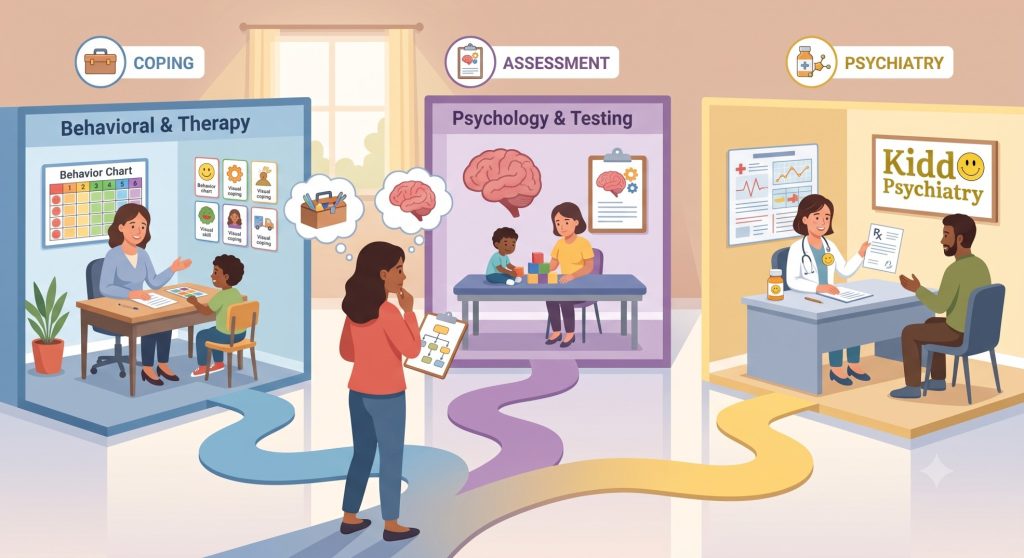
Anxiety in children is more common than many parents realize. While occasional worries are a normal part of growing up, persistent and overwhelming anxiety can interfere with a child’s school performance, friendships, sleep, and overall happiness.
If your child seems constantly worried, avoids certain situations, or struggles with physical symptoms like stomachaches before school, you may be wondering: What are the best treatment options for childhood anxiety?
The good news is this — childhood anxiety is highly treatable. With early intervention and the right support, children can learn to manage their fears, build confidence, and thrive.
This guide will walk you through the most effective, evidence-based treatment options available today.
Understanding Childhood Anxiety
Before discussing treatment, it’s important to understand what anxiety looks like in children.
Anxiety disorders in children can include:
- Generalized Anxiety Disorder (constant worrying)
- Social Anxiety Disorder
- Separation Anxiety Disorder
- Specific Phobias
- Panic Disorder
Unlike adults, children may not always say “I’m anxious.” Instead, anxiety often shows up as:
- Irritability
- Avoidance of school or social events
- Frequent headaches or stomachaches
- Trouble sleeping
- Clinginess
- Meltdowns when faced with feared situations
If these symptoms last for weeks and interfere with daily life, professional support may be necessary.
1. Cognitive Behavioral Therapy (CBT): The Gold Standard
Cognitive Behavioral Therapy (CBT) is widely considered the most effective treatment for childhood anxiety.
CBT helps children:
- Identify anxious thoughts
- Challenge unrealistic fears
- Develop healthier thinking patterns
- Practice coping skills
- Gradually face fears in a safe, structured way
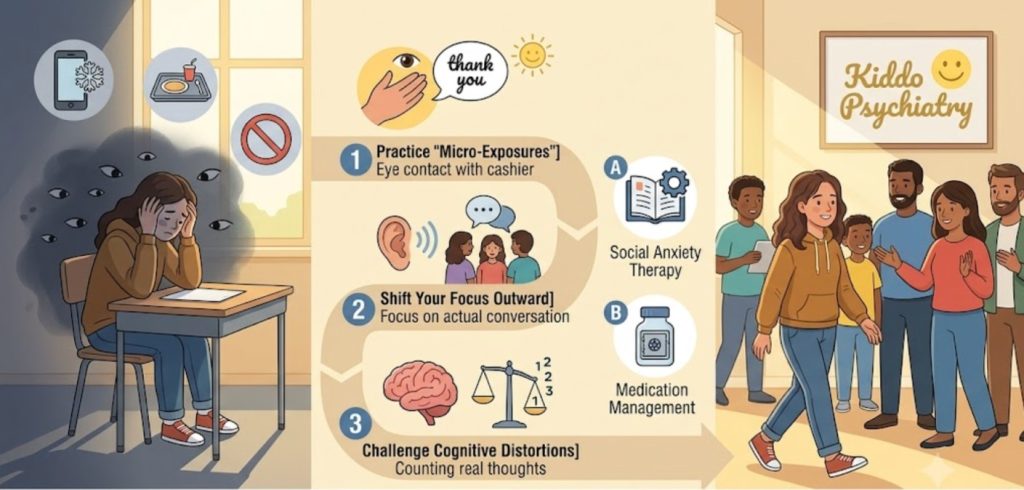
For example, if a child fears speaking in class, CBT might involve small, gradual exposure steps — starting with answering a question in a small group before progressing to speaking in front of the whole class.
Research consistently shows CBT significantly reduces anxiety symptoms in children and adolescents.
CBT is structured, goal-oriented, and usually short-term (often 12–16 sessions).
2. Exposure Therapy
Exposure therapy is often part of CBT and is extremely effective.
Avoidance strengthens anxiety. Exposure reduces it.
In exposure therapy, children slowly and safely confront their fears in gradual steps. Over time, their brain learns that the feared situation is not dangerous.
For example:
- A child afraid of dogs may start by looking at pictures of dogs.
- Then watching a dog from a distance.
- Eventually petting a calm dog.
This gradual process builds confidence and reduces fear.
3. Play Therapy (For Younger Children)
Young children often cannot express anxiety verbally. Play therapy allows them to communicate feelings through play, art, and storytelling.
Through guided play sessions, therapists can:
- Identify emotional triggers
- Teach calming strategies
- Help children process fears
Play therapy is especially helpful for children under age 8.
4. Family Therapy & Parent Coaching
Anxiety doesn’t just affect the child — it affects the entire family.
Family therapy helps parents:
- Understand how anxiety works
- Avoid unintentionally reinforcing fears
- Learn supportive responses
- Create structure and consistency at home
For example, constantly reassuring a child (“You’ll be fine, nothing bad will happen”) may temporarily soothe anxiety but reinforce long-term fear.
Parent coaching teaches how to encourage independence while still providing support.
5. Medication for Childhood Anxiety
Sometimes therapy alone is not enough.
When anxiety is severe or significantly interfering with daily life, medication may be recommended.
The most commonly prescribed medications are:
- Selective Serotonin Reuptake Inhibitors (SSRIs)
Medication can:
- Reduce physical anxiety symptoms
- Improve focus
- Make therapy more effective
Medication decisions should always be made carefully with a qualified child psychiatrist and include regular monitoring.
It’s important to understand that medication is not a “quick fix.” It works best when combined with therapy.
6. School-Based Support
Since children spend much of their day at school, collaboration with teachers and counselors is crucial.
School supports may include:
- 504 Plans
- Individualized Education Programs (IEPs)
- Adjusted deadlines
- Quiet testing spaces
- Check-in/check-out systems
Open communication between parents and educators helps ensure consistent support.
7. Lifestyle Changes That Support Anxiety Treatment
While professional treatment is essential, lifestyle factors can significantly influence anxiety levels.
Prioritize Sleep
Lack of sleep worsens anxiety. Children need consistent bedtimes and limited screen exposure before sleep.
Encourage Physical Activity
Exercise naturally reduces stress hormones and improves mood.
Balanced Nutrition
Stable blood sugar levels help regulate mood.
Limit Screen Time
Excessive social media and screen exposure can increase anxiety symptoms.
Teach Relaxation Techniques
Deep breathing
Progressive muscle relaxation
Guided imagery
Mindfulness exercises
Simple breathing exercises practiced daily can reduce anxious reactions over time.
8. Social Skills Training
Children with social anxiety may benefit from structured social skills groups.
These groups help children practice:
- Making eye contact
- Starting conversations
- Handling peer conflict
- Public speaking
Practicing in a safe environment builds confidence for real-world situations.
9. Mindfulness & Emotional Regulation Training
Mindfulness teaches children to observe thoughts without being overwhelmed by them.
Techniques include:
- Body scans
- Breathing awareness
- Gratitude exercises
- Emotional labeling
Teaching children to say, “I notice I’m feeling anxious” instead of reacting impulsively builds emotional resilience.
10. Early Intervention Programs
The earlier anxiety is treated, the better the outcomes.
Early intervention prevents:
- Academic decline
- Social withdrawal
- Development of depression
- Long-term mental health challenges
If you notice persistent anxiety, don’t wait for it to “just go away.”
What Is the Best Treatment Option?
The “best” treatment depends on:
- The child’s age
- Severity of symptoms
- Type of anxiety disorder
- Family dynamics
- School environment
In most cases, a combination approach works best:
✔ CBT
✔ Parent involvement
✔ School collaboration
✔ Lifestyle support
✔ Medication (if needed)
Every child is unique. Treatment should be individualized.
When Should You Seek Professional Help?
You should consider professional evaluation if:
- Anxiety lasts more than several weeks
- School refusal begins
- Sleep is significantly disrupted
- Physical symptoms are frequent
- Your child avoids normal activities
- You feel unsure how to help
Trust your instincts. Parents often sense when something isn’t right.
What Happens During an Anxiety Evaluation?
A child psychiatry evaluation typically includes:
- Detailed parent interview
- Child interview
- Behavioral observation
- Questionnaires or screening tools
- Collaboration with school (if needed)
The goal is not to label — it’s to understand and create a personalized treatment plan.
Hope for the Future
The most important thing parents should know is this:
Childhood anxiety is highly treatable.
With the right support, children can:
- Build coping skills
- Gain confidence
- Improve academic performance
- Strengthen friendships
- Develop emotional resilience
Many children who receive early treatment go on to lead happy, healthy, confident lives.
Final Thoughts
Watching your child struggle with anxiety can feel heartbreaking. You may feel helpless, frustrated, or unsure of what to do next.
But seeking help is not a sign of weakness — it’s a sign of strong, proactive parenting.
The earlier anxiety is addressed, the easier it is to manage.
If your child is struggling with persistent worry, fear, or avoidance, professional support can make a life-changing difference.
You and your child are not alone. Effective treatments exist — and recovery is absolutely possible.