As parents, we spend so much time watching our children grow — their first words, their first steps, their first day of school. We notice when they have a fever or scrape their knee. But emotional struggles? Those can be much harder to spot.
Children don’t always have the words to say, “I’m anxious” or “I feel depressed.” Instead, their emotions often show up in behavior — in mood changes, sleep problems, meltdowns, or withdrawal.
The truth is, mental health issues in children are more common than many people realize. And the earlier they are recognized, the easier they are to treat.
If you’ve been wondering whether something “just seems off” with your child, this guide will help you understand what to look for — and when to seek help.
Why Recognizing Mental Health Issues Early Is So Important
Children’s brains are still developing. That means early support can truly change the direction of their future.
When mental health concerns go untreated, they can affect:
- School performance
- Friendships
- Family relationships
- Self-esteem
- Emotional development
But when parents recognize the signs early and seek support, children can learn coping skills, emotional regulation, and confidence that stays with them for life.
Early intervention doesn’t mean something is “wrong” with your child. It means you’re giving them the tools they need to thrive.
What Is “Normal” Behavior — and What Isn’t?
All children have emotional ups and downs.
Tantrums happen. Moodiness happens. Shyness happens.
The difference between typical behavior and a mental health concern usually comes down to three things:
1. Duration – Has this been going on for weeks or months?
2. Intensity – Is the reaction stronger than expected for their age?
3. Interference – Is it affecting school, friendships, or home life?
If a behavior is persistent, extreme, or disrupting daily life, it may be time to look closer.
Common Mental Health Issues in Children
Children can experience many of the same mental health conditions adults do — they just express them differently.
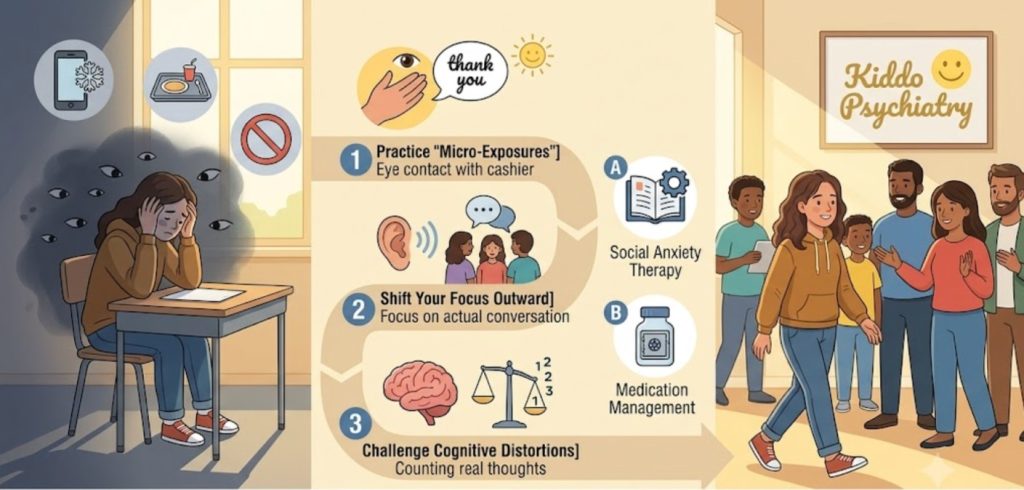
Anxiety Disorders
Anxiety is one of the most common mental health issues in children.
While it’s normal for kids to worry sometimes, anxiety becomes a concern when it’s constant and overwhelming.
Signs may include:
- Excessive fear about school or social situations
- Frequent stomachaches or headaches with no medical cause
- Trouble sleeping
- Clinginess or separation anxiety beyond typical age
- Avoiding activities they used to enjoy
An anxious child might not say, “I’m worried.” Instead, they might cry every morning before school or refuse to attend birthday parties.
ADHD (Attention-Deficit/Hyperactivity Disorder)
Children with ADHD often struggle with attention, impulsivity, or hyperactivity.
You might notice:
- Difficulty staying focused
- Forgetfulness
- Constant movement or fidgeting
- Interrupting others frequently
- Trouble finishing tasks
It’s important to remember that all kids can be energetic. The key difference is consistency and impact. If focus issues are affecting learning or social relationships, it may be more than typical childhood behavior.
Depression in Children
Many parents are surprised to learn that children can experience depression.
It doesn’t always look like sadness. In kids, depression often shows up as irritability.
Watch for:
- Loss of interest in favorite activities
- Low energy
- Changes in sleep or appetite
- Negative self-talk (“I’m not good at anything.”)
- Withdrawing from family or friends
If your child seems persistently unhappy or hopeless, it’s important to take that seriously.
Autism Spectrum Disorder (ASD)
Autism affects communication, social interaction, and behavior.
Early signs can include:
- Limited eye contact
- Delayed speech
- Difficulty understanding social cues
- Repetitive movements
- Sensitivity to sounds, textures, or lights
Early diagnosis can open the door to therapies that greatly improve communication and social skills.
Behavioral and Emotional Regulation Challenges
Some children struggle to manage big emotions.
This might look like:
- Intense meltdowns
- Aggressive behavior
- Extreme frustration over small issues
- Difficulty calming down
Children aren’t trying to be “bad.” Often, they simply lack the tools to regulate their emotions effectively.
10 Warning Signs Parents Shouldn’t Ignore
Here are some red flags that may indicate your child needs professional support:
- Persistent sadness or irritability
- Sudden drop in school performance
- Withdrawal from friends or activities
- Frequent physical complaints without clear cause
- Extreme fears or worries
- Trouble concentrating
- Sleep disturbances
- Changes in appetite
- Aggressive or risky behavior
- Talking about self-harm or feeling worthless
If you notice several of these signs lasting more than a few weeks, it’s worth seeking guidance.
How to Talk to Your Child About Mental Health
One of the most powerful things you can do is simply talk — and listen.
Here are a few tips:
- Choose a calm moment
- Use open-ended questions
- Avoid judgment
- Validate their feelings
- Reassure them they’re not in trouble
You might say:
“I’ve noticed you’ve been having a tough time lately. I just want to understand what you’re feeling.”
Sometimes children open up immediately. Sometimes it takes time. Keep the door open.
When Should You Seek Professional Help?
Trust your instincts.
If your child’s behavior feels concerning, overwhelming, or beyond what you can manage alone, it’s okay to ask for help.
Seek professional support if:
- Symptoms last several weeks
- School or friendships are affected
- You feel unsure how to help
- Your child expresses hopelessness or self-harm
There is no prize for waiting. Early support often leads to faster improvement.
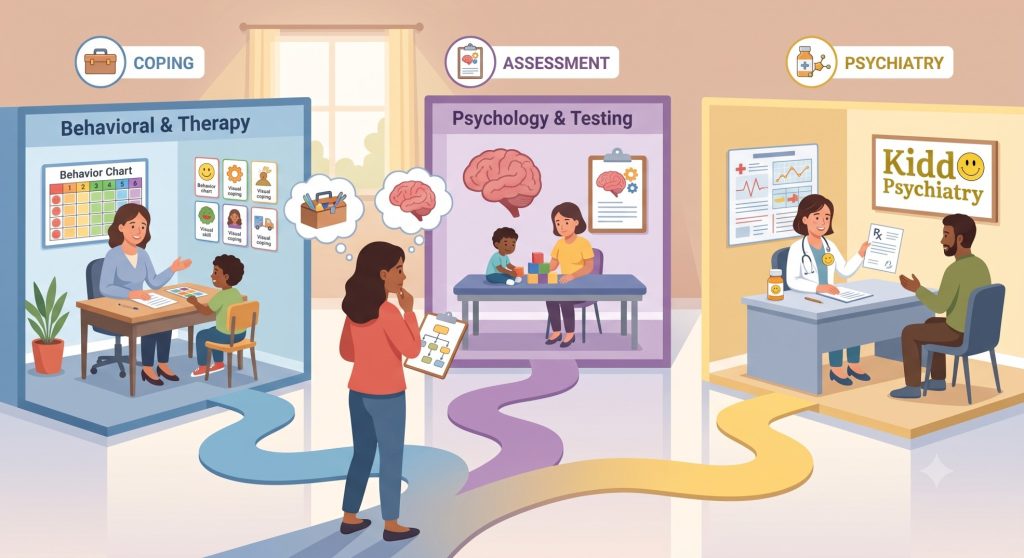
What Happens During a Child Psychiatry Evaluation?
Many parents worry about what an evaluation involves.
Typically, it includes:
- A detailed conversation about your child’s history
- Behavioral observations
- Standardized assessments (if needed)
- Collaboration with parents and sometimes teachers
The goal isn’t to label your child. It’s to understand them better and create a plan that helps them succeed.
Treatment Options for Children’s Mental Health
Treatment depends on the child’s needs but may include:
Therapy
- Cognitive Behavioral Therapy (CBT)
- Play therapy
- Family therapy
- Social skills training
Medication
In some cases, medication may be recommended — always carefully monitored and discussed with parents.
School Support
IEPs or 504 plans can provide accommodations to support learning and emotional needs.
Supporting Your Child at Home
Professional care is important — but home support matters just as much.
Here are simple, powerful steps you can take:
- Create predictable routines
- Prioritize sleep
- Encourage physical activity
- Limit excessive screen time
- Teach emotional vocabulary
- Model healthy coping skills
Small daily habits can build resilience over time.
You’re Not Alone — And Neither Is Your Child
If you’re reading this because you’re worried, take a deep breath.
Noticing something isn’t right doesn’t mean you’ve failed as a parent. In fact, it means the opposite. It means you’re paying attention.
Children are incredibly resilient. With the right support, they can overcome anxiety, depression, behavioral challenges, and more.
The key is recognizing the signs and taking that first step toward help.
Final Thoughts
Recognizing mental health issues in children isn’t always easy. Symptoms can be subtle. They can come and go. They can look like “just a phase.”
But when concerns persist, it’s better to explore them than ignore them.
If your child is struggling emotionally or behaviorally, early support can make a life-changing difference.
Reaching out for help is not a sign of weakness — it’s an act of love.