From fear of the dark to separation anxiety the first day of preschool, childhood is full with transitory fears. It’s common for youngsters to feel scared or anxious about new challenges, new locations, or huge changes in their lives. In reality, a little worry is part of a healthy emotional development.
Yet for parents, it might be hard to differentiate normal development from a deeper emotional struggle. At what point does a typical phase become one that requires expert help?
Knowing when to worry about child anxiety is key to early intervention. At Kiddo Psychiatry, we believe that recognizing early signs of chronic stress allows families to receive proper support before a child’s academic or social life is impacted.
Normal Fears Compared to Childhood Anxiety
It is useful to grasp what anxiety really means in a growing youngster, before red signals. Normal kid concerns are often age-specific and tend to go away on their own. Toddlers might be afraid of loud noises or strangers, while school-age youngsters could be afraid of storms or supernatural phenomena like ghosts.
Clinical anxiety, on the other hand, does not just fade away as a child grows up. It does not go away, it grows, it begins to govern the child’s everyday actions.
“Healthy worry shields a youngster from harm. Chronic anxiety paralyses them from living a normal life.”
Common Signs of Childhood Anxiety
In a toddler, anxiety manifests itself in a very different way than in an adult. Adults can often voice their interior concerns, while children tend to convey their distress through their physical bodies or unexpected behavioral changes.
If you want to know if your child is stressed, watch out for these frequent signs of childhood anxiety:
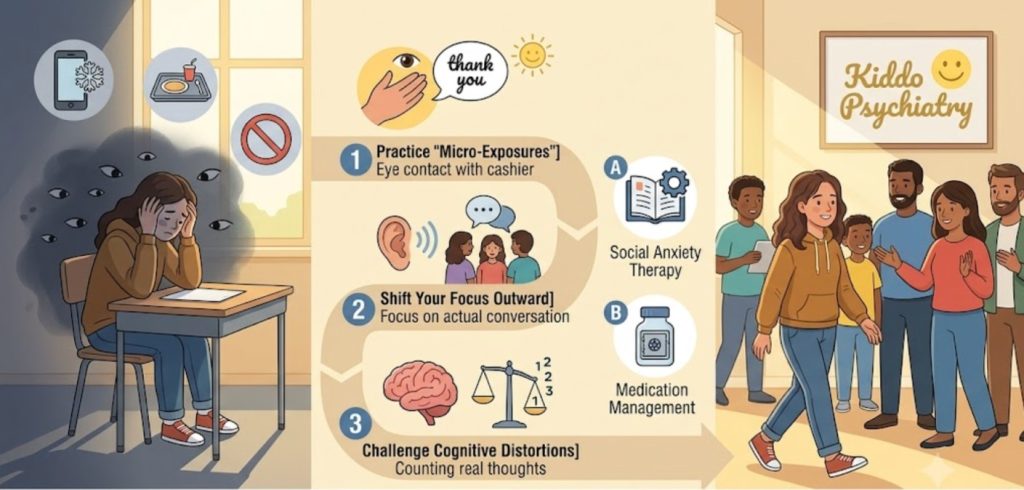
- Bodily Complaints: Frequently has vague bodily complaints (stomachaches, nausea, headaches, muscle strain), especially in the morning before school.
- Sleep Problems: Difficulty falling asleep, recurrent nightmares or inability to sleep alone in their own bedroom.
- Behavioral Avoidance: Not going to school, avoiding social events, or withdrawing from extracurricular activities they once enjoyed.
- Constant Reassurance Seeking: Asking the same questions again regarding safety, scheduling or worst case situations (“What if you don’t pick me up?” or “What if something bad happens?”).
- Irritability and Meltdowns: Unpredictable emotional outbursts, sobbing episodes or extreme rigidity when routines are disrupted.
The Checklist: When to Worry About Child Anxiety
If some of the symptoms above are present, then the next step is to assess the severity of the condition. When to be concerned about kid anxiety is usually based on three main factors that clinical specialists consider:
1. Time (How long has it been going on?)
Most anxieties will disappear in a few weeks. If your child has been having severe anxieties or changes in behavior for 6 weeks or more, this is a clear sign that they need help.
2. Severity (How bad is the reaction?)
When a child is anxious, his emotional reaction is sometimes completely out of proportion to the situation. If a simple chore, say going to a birthday celebration or speaking out in class, produces huge panic episodes, hyperventilating or uncontrollable crying, pay attention.
3. Interference (Does it affect regular life?)
That is the biggest aspect. Does the anxiety prevent your child from performing things that are usual for their age? If your little one is missing school, falling behind academically, having trouble making friends or if the family’s whole calendar revolves around keeping the child from feeling worried, professional help is necessary.
Kiddo Psychiatry: Comprehensive Care
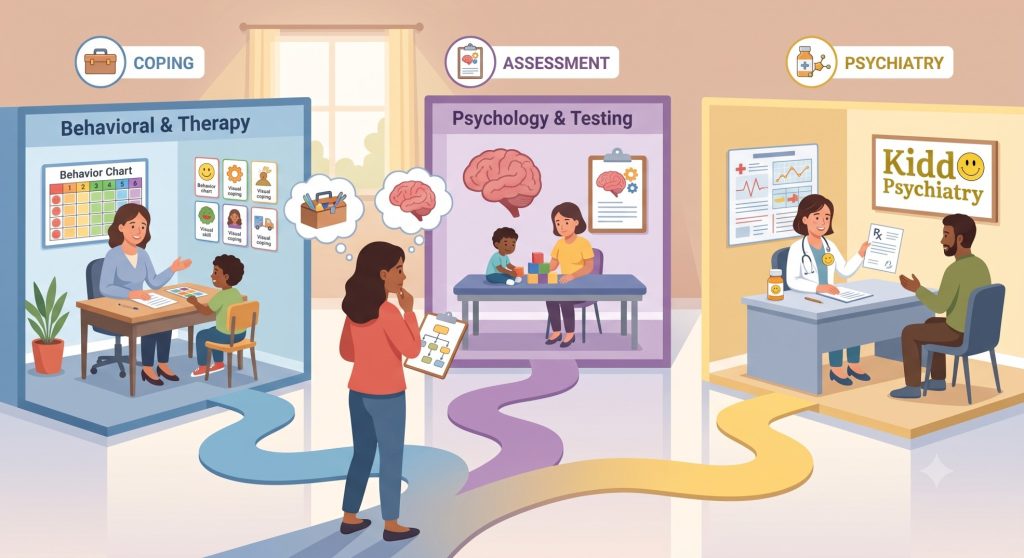
If you’ve come to the conclusion that your child’s problems need more than a patient chat or a consoling hug, you don’t have to handle this on your own. Board-certified child and adolescent psychiatrists at Kiddo Psychiatry believe in a whole-child approach to providing compassionate, evidence-based care.
We offer full examinations, therapy referrals and medication management by experts who understand your child’s personality and emotional development.
Whether you want to attend one of our welcoming offices in Austin and Houston, or the ultimate convenience of telemedicine appointments anywhere in Texas, we are here to walk with your family. There are no waiting lists so your child will be seen as soon as they need to be. We also accept major insurance plans including Aetna, BCBS PPO, Curative and Meritain Health.
Restore Peace and Confidence in Your Child’s Life
It takes a lot of love and strength to recognize when your child needs help. Addressing worry early is arming your child with the emotional tools to build resilience for life.
Ready to find clarity and support for your kid? Make an Appointment Here, or complete our secure online intake form today. Let’s work together to help your child thrive, fearlessly.